

Healthcare campuses serve many different people every day. Patients, visitors, medical staff, and service providers all move throughout the property. Creating a safe, accessible, and welcoming environment is essential for healthcare facilities of every size. One often overlooked improvement that can make a significant impact is the installation of paved walking paths.
Well-designed paved pathways do much more than connect buildings. They improve safety, enhance accessibility, support patient wellness, reduce maintenance needs, and contribute to a more attractive healthcare campus. Whether the property is a hospital, rehabilitation center, medical office complex, senior living community, or outpatient facility, paved walking paths can provide long-term benefits for both users and administrators.
In this article, we explore the many advantages of paved walking paths for healthcare campuses and why they remain one of the most valuable site improvements available today.
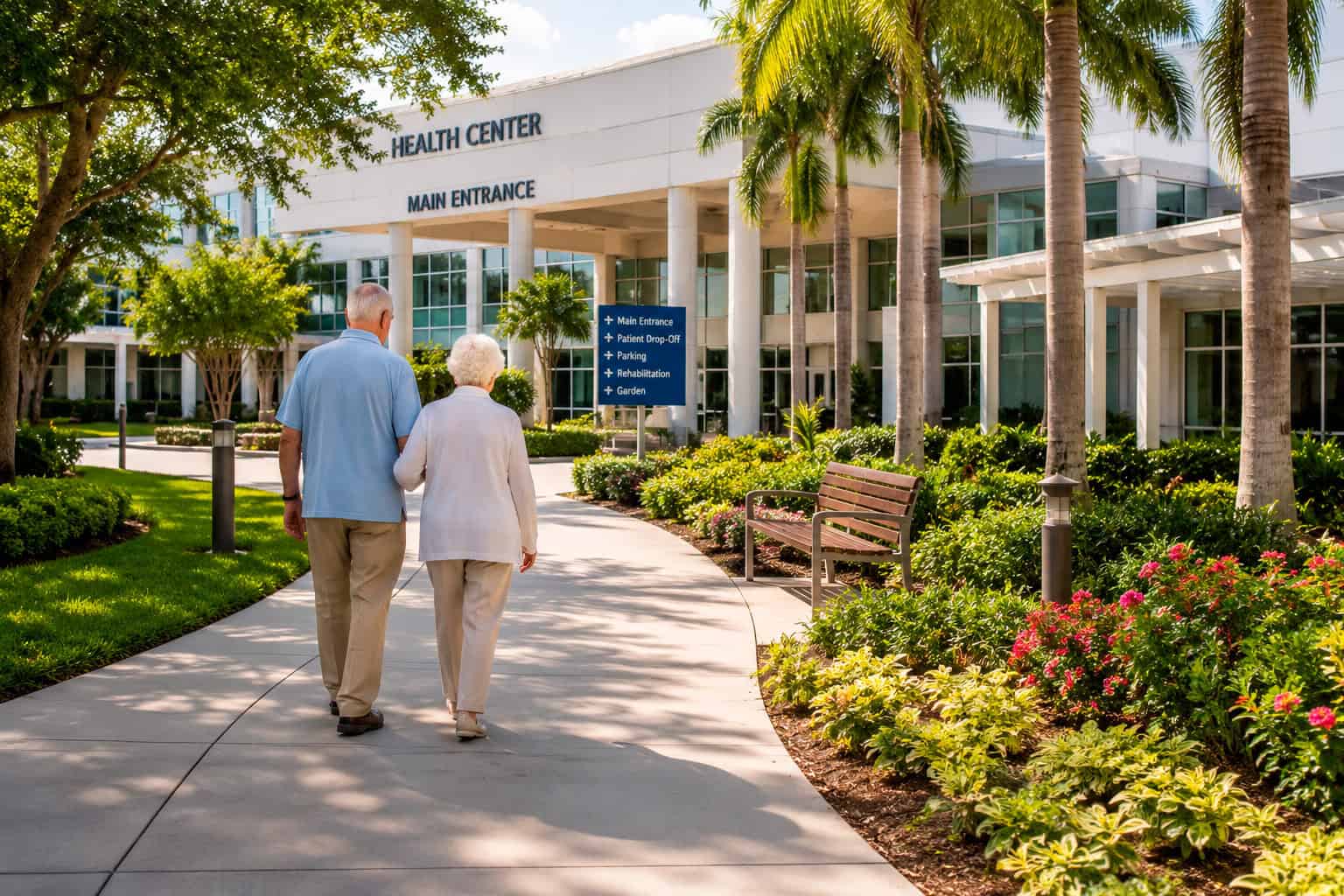
Improved Accessibility for Patients and Visitors
Accessibility is one of the most important considerations for any healthcare facility. Patients often arrive with mobility challenges, injuries, illnesses, or disabilities that make navigation more difficult. Visitors may also include seniors, caregivers, and individuals using mobility aids.
Paved walking paths create smooth, stable surfaces that are easier to navigate than grass, gravel, or uneven terrain. Wheelchairs, walkers, scooters, and strollers can move more safely and comfortably along properly designed pathways.
Healthcare campuses that invest in accessible pathways help improve the overall experience for patients and visitors. Clear pedestrian routes reduce confusion while making it easier for people to reach entrances, parking areas, gardens, and outdoor gathering spaces.
In many cases, paved paths also support compliance with accessibility guidelines by reducing obstacles and providing safer routes throughout the property.
Enhanced Safety Throughout the Campus
Safety is a top priority for healthcare facilities. Falls and trip hazards can create serious risks for patients, visitors, and employees. Uneven surfaces, muddy areas, exposed roots, and worn footpaths may increase the likelihood of accidents.
Paved walking paths provide a more predictable and secure walking surface. Properly installed pathways help eliminate many of the hazards associated with natural ground surfaces. They can also be designed with slip-resistant materials to improve traction during wet conditions.
Clearly defined pedestrian routes help separate foot traffic from vehicles and service areas. This can reduce congestion around entrances and parking lots while creating a safer environment for everyone on campus.
Good pathway design often includes proper lighting, visible edges, and smooth transitions between different areas. These features further improve safety during both daytime and evening hours.
Supports Patient Wellness and Recovery
Modern healthcare design increasingly recognizes the importance of outdoor environments in supporting physical and emotional well-being. Access to outdoor spaces can encourage movement, reduce stress, and improve overall patient satisfaction.
Paved walking paths make outdoor areas more accessible and inviting. Patients recovering from surgery, injury, or illness may benefit from gentle walking exercises in a controlled outdoor environment. Rehabilitation programs often incorporate walking as part of recovery plans.
Walking paths provide safe routes that allow patients to enjoy fresh air, sunshine, and natural surroundings. Even short walks can help promote circulation, mobility, and mental wellness.
For healthcare campuses with healing gardens, courtyards, or green spaces, paved pathways help ensure that these amenities can be enjoyed by a wider range of users.
Creates a Better Experience for Visitors
Visiting a healthcare facility can be stressful. Family members and friends often spend long hours supporting loved ones during treatment or recovery. A thoughtfully designed campus can help create a more positive experience.
Paved walking paths encourage visitors to spend time outdoors while waiting between appointments or visiting hours. Walking routes can connect seating areas, gardens, and shaded spaces that provide opportunities for relaxation.
Easy-to-follow pathways also improve navigation throughout larger medical campuses. Visitors can move between buildings more efficiently without becoming lost or wandering through service areas.
When visitors feel comfortable and confident navigating a property, their overall impression of the facility improves.
Encourages Physical Activity for Staff
Healthcare professionals often work long shifts in demanding environments. Opportunities for physical activity and stress relief can contribute to employee wellness and job satisfaction.
Paved walking paths provide convenient routes for staff members to take short walks during breaks. Access to outdoor walking areas encourages movement throughout the workday and offers a healthy alternative to remaining indoors.
Many healthcare organizations are placing greater emphasis on employee wellness initiatives. Walking paths can support these efforts by creating safe outdoor spaces for exercise and relaxation.
Even brief walks can help reduce stress, improve focus, and promote overall well-being among healthcare workers.
Improves Campus Appearance and First Impressions
First impressions matter in healthcare. Patients and visitors often form opinions about a facility before they even enter the building. A clean, organized, and attractive campus helps build confidence and trust.
Paved walking paths add structure and visual appeal to outdoor environments. They create defined routes that help organize pedestrian traffic while enhancing the overall appearance of the property.
Pathways can be integrated with landscaping features such as gardens, trees, seating areas, and decorative elements. Together, these improvements create a more welcoming atmosphere for patients and visitors.
Well-maintained hardscape features also demonstrate attention to detail and a commitment to providing a high-quality experience.
Reduces Wear and Tear on Landscape Areas
Healthcare campuses often experience heavy pedestrian traffic. Without designated walkways, people naturally create informal paths through grass and landscaped areas. Over time, this can damage turf, compact soil, and increase maintenance requirements.
Paved walking paths guide foot traffic to specific routes. This helps protect surrounding landscape features while preserving the appearance of the property.
Reducing foot traffic in planted areas can improve the health of lawns, shrubs, and trees. It can also lower the need for repairs, reseeding, and ongoing landscape restoration.
By directing pedestrian movement, paved paths help healthcare facilities maintain attractive grounds with fewer maintenance challenges.
Provides Long-Term Durability and Cost Savings
While paved walking paths require an initial investment, they often deliver long-term value. Quality paving materials can withstand years of use with relatively low maintenance requirements.
Compared to frequently repairing worn turf areas or managing informal footpaths, paved surfaces provide a more durable solution. Properly installed pathways resist erosion, reduce muddy conditions, and maintain their functionality through changing weather conditions.
Routine maintenance typically involves periodic cleaning, inspections, and minor repairs when needed. This can be more predictable and cost-effective than repeatedly addressing landscape damage caused by heavy pedestrian traffic.
Over time, paved walking paths can contribute to lower maintenance expenses and improved operational efficiency.
Supports Better Drainage and Stormwater Management
Drainage is an important consideration for healthcare campuses. Standing water can create safety hazards, damage landscaping, and contribute to erosion problems.
Modern paving solutions can be designed to support effective drainage management. Permeable paving systems allow water to infiltrate the ground, helping reduce runoff and promote groundwater recharge.
Well-designed pathways can also direct water away from buildings, entrances, and heavily used pedestrian areas. This helps maintain safer walking conditions during and after rainfall.
Improved drainage not only enhances safety but can also contribute to the long-term performance of the campus landscape.
Supports Future Campus Growth and Development
Healthcare facilities frequently expand to meet growing community needs. New buildings, parking areas, and outdoor amenities often become part of long-term campus development plans.
Paved walking paths provide a flexible infrastructure element that can support future growth. They help connect different parts of the property while creating a consistent pedestrian experience.
As new facilities are added, existing pathways can often be expanded or connected to additional routes. This creates a cohesive campus layout that remains functional over time.
Planning pathway networks with future growth in mind can improve efficiency and support long-term property management goals.
Conclusion
Paved walking paths offer far more than simple pedestrian access. They improve safety, support accessibility, enhance patient wellness, encourage physical activity, and contribute to a more attractive healthcare environment.
For hospitals, medical campuses, rehabilitation centers, and senior living communities, paved pathways represent a practical investment that can deliver lasting benefits. They help create welcoming outdoor spaces while reducing maintenance challenges and supporting efficient campus operations.
As healthcare facilities continue to prioritize patient experience, accessibility, and wellness, paved walking paths remain one of the most effective improvements available for creating safer and more functional outdoor environments.
Frequently Asked Questions
1. Why are paved walking paths important for healthcare campuses?
Paved walking paths improve accessibility, enhance safety, support patient wellness, and create more organized outdoor environments. They also help guide pedestrian traffic while reducing wear and tear on landscape areas.
2. How do paved pathways improve accessibility?
Paved pathways provide smooth and stable surfaces that are easier to navigate for individuals using wheelchairs, walkers, scooters, and other mobility aids. They help create safer and more inclusive healthcare environments.
3. Can walking paths contribute to patient recovery?
Yes. Walking paths encourage outdoor activity and provide safe spaces for light exercise, rehabilitation activities, and relaxation. Access to outdoor environments can support both physical and emotional well-being.
4. What maintenance is required for paved walking paths?
Most paved walking paths require routine cleaning, periodic inspections, and occasional repairs. Properly installed pathways typically require less maintenance than repairing landscape areas damaged by heavy pedestrian traffic.

