


South Florida commercial landscaping faces unique challenges under the relentless summer heat, especially in Palm Beach and Broward Counties. Property managers and HOA communities understand that maintaining a vibrant, healthy exterior requires more than just routine care. It demands a strategic, proactive approach to South Florida commercial landscaping.
This comprehensive guide, crafted by commercial landscaping experts, will equip you with clear, practical recommendations. Use these strategies to protect your commercial property from South Florida’s intense summer climate. In doing so, you help preserve both its beauty and its value.
Why Summer Heat Creates Unique Challenges for Commercial Landscapes
South Florida’s summer is characterized by a combination of high temperatures, intense humidity, and frequent, yet often unpredictable, rainfall, creating harsh conditions for South Florida commercial landscaping. These conditions create a demanding environment for commercial landscapes, pushing plants, irrigation systems, and maintenance routines to their limits. Unlike residential properties, commercial landscapes, including HOA entrances, warehouse properties, office parks, industrial campuses, retail centers, and high-traffic shared spaces, face amplified stress due to their scale, diverse plant material, and constant public exposure. The sheer size and varied ecosystems within commercial properties mean that a one-size-fits-all approach to South Florida commercial landscaping summer preparation is insufficient.
Signs your South Florida commercial landscaping isn’t ready for summer heat
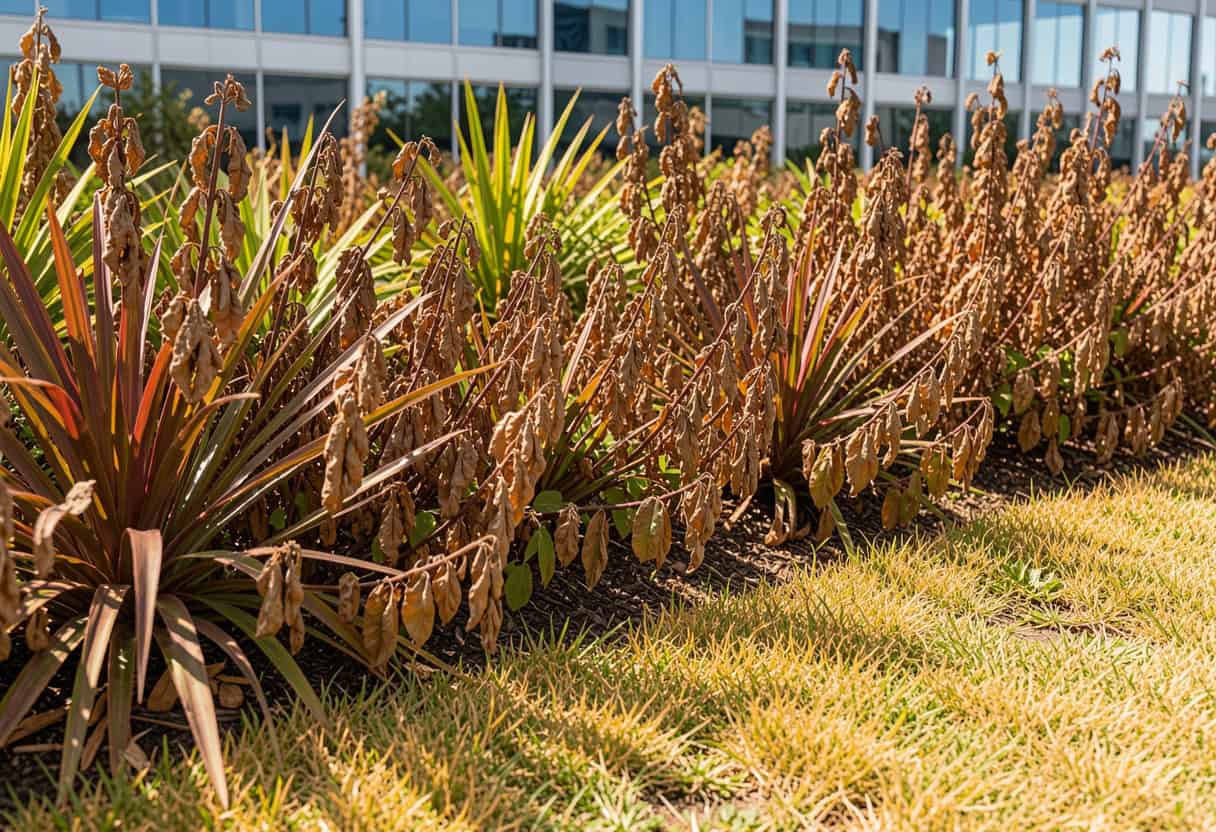
Recognizing the early warning signs of heat stress in your South Florida commercial landscaping is crucial for timely intervention and preventing costly damage. A commercial landscaping expert can quickly identify these indicators, but property managers and HOAs should also be aware of what to look for. Common mistakes often stem from overlooking subtle changes that, if left unaddressed, can escalate into significant problems. For instance, wilting plants, even after recent rainfall, can indicate inadequate root hydration or compromised soil health. Yellowing or browning turf, particularly in high-traffic areas or sun-exposed zones, is another clear sign of heat stress.
Beyond visible plant distress, pay attention to your irrigation system. Are there dry patches near sprinkler heads, or conversely, areas that are consistently waterlogged? These could point to inefficiencies, blockages, or misaligned sprinklers, all of which compromise effective water distribution in South Florida commercial landscaping.
A well-maintained commercial irrigation management system is the backbone of a healthy summer landscape. Furthermore, an increase in pest activity or the sudden appearance of fungal diseases like brown patch or dollar spot can signal a weakened landscape, more susceptible to environmental stressors. These issues are often more prevalent in stressed plants, making early detection vital for effective Florida commercial landscape maintenance.
Irrigation adjustments for South Florida commercial landscaping
Effective irrigation management is paramount for commercial landscapes in South Florida, especially as peak summer heat approaches. Property managers must move beyond a set-it-and-forget-it mentality and adopt a dynamic approach to watering. The goal is to provide sufficient moisture to plant roots without overwatering, which can lead to fungal diseases and water waste. A critical first step is to conduct a thorough irrigation system audit. This involves inspecting all sprinkler heads for proper function, coverage, and any leaks or blockages. Misaligned heads can lead to inefficient watering, soaking paved areas instead of landscape beds, a common mistake observed in many commercial properties and HOAs.
Smart irrigation for South Florida commercial landscaping
Adjusting watering schedules to early morning hours (between 4 AM and 10 AM) is highly recommended. This timing minimizes water loss due to evaporation and allows the water to penetrate the soil deeply before the intense midday sun. Watering at night can promote fungal growth, while watering during the hottest part of the day is largely ineffective due to rapid evaporation. Furthermore, consider implementing a ‘deep and infrequent’ watering strategy. Instead of daily shallow watering, which encourages shallow root growth, provide longer, less frequent watering sessions.
This promotes deeper root development, making plants more resilient to drought and heat stress. For HOAs and commercial facilities, investing in smart irrigation systems that utilize weather data and soil moisture sensors can significantly optimize water usage. The result is healthier landscapes and reduced water bills. These systems can automatically adjust watering based on real-time conditions. It is a proactive measure that exemplifies effective commercial property landscaping and commercial irrigation management.
Protect your landscape before peak heat exposes costly irrigation failures.
Schedule a commercial irrigation audit with Next Level Landscaping & Maintenance and ensure your system is fully optimized for South Florida summer conditions.

Heat-resistant strategies for South Florida commercial landscaping
Selecting the right plant material is a cornerstone of effective heat resistant commercial landscaping in South Florida.
Heat-tolerant plants for South Florida commercial landscaping
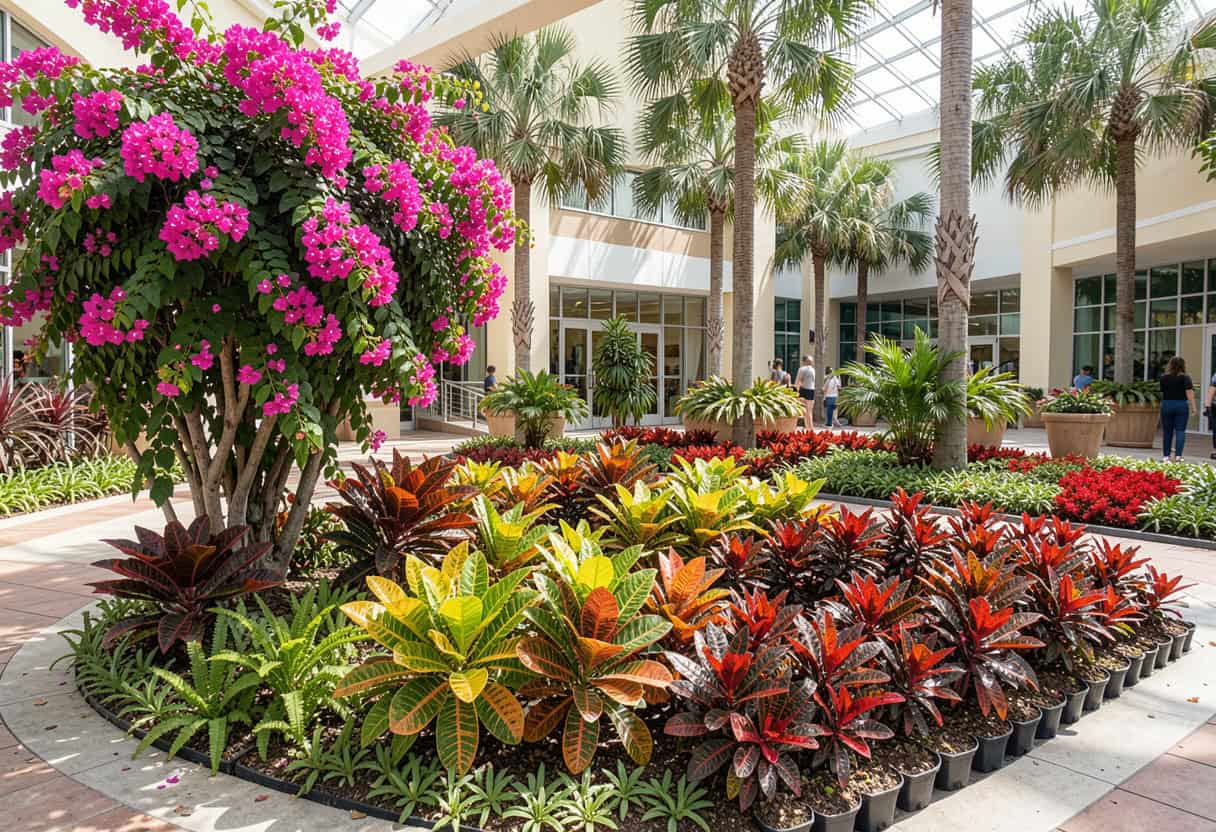
The intense sun and high humidity demand species that are not only aesthetically pleasing but also inherently resilient to the local climate. For HOAs and commercial properties, prioritizing native and Florida-Friendly plants can significantly reduce water consumption and maintenance needs. Examples of heat-tolerant plants suitable for commercial settings include vibrant Bougainvillea, hardy Crotons, and the ever-popular Firebush. These plants thrive in full sun and require less supplemental irrigation once established, making them ideal for large-scale commercial landscapes such as retail centers and office parks.
Beyond plant selection, strategic landscape design plays a crucial role. Incorporating shade elements, such as mature trees or pergolas, can reduce ambient temperatures and protect more sensitive plantings. When considering landscape design for commercial facilities, think about how different zones of your property experience sun exposure throughout the day. For instance, areas facing west will receive the harshest afternoon sun and may benefit from more robust, drought-tolerant species or additional shade structures. This thoughtful approach to design not only enhances the visual appeal of the propert. It also contributes to its long-term sustainability and reduces the overall burden of landscape maintenance in summer.
Tree and Shrub Maintenance Before Summer
Proper tree and shrub maintenance is a critical, yet often overlooked, aspect of preparing commercial landscapes for the rigors of South Florida summer. Proactive pruning before the intense heat and hurricane season arrives can prevent significant damage. It also helps ensure the long-term health of your plantings. Removing dead, diseased, or weak branches improves the aesthetic appeal of trees and shrubs. This practice also reduces the risk of limbs breaking during strong summer storms, a common concern for properties in Palm Beach and Broward Counties.
For HOAs and commercial properties, the structural integrity of trees, especially those near buildings, parking lots, or high-traffic shared spaces, is paramount. Expert observations show that proper canopy thinning can improve air circulation, reducing the likelihood of fungal diseases that thrive in humid summer conditions.
It also allows more light to penetrate, benefiting understory plants. When considering Commercial Landscaping Services, ensure your provider has certified arborists or trained professionals who understand the specific needs of South Florida’s tree species. Avoid over-pruning, which can stress plants and make them more susceptible to heat damage. Instead, focus on selective pruning that promotes healthy growth and a strong structure, a preventative strategy that saves money and enhances safety.
Mulching Techniques That Help Commercial Properties Retain Moisture
Applying mulch is a simple yet highly effective technique for commercial properties to combat summer heat and conserve moisture.
Mulching for South Florida commercial landscaping
A well-applied layer of mulch acts as a protective barrier, regulating soil temperature, reducing water evaporation, and suppressing weed growth.
For HOAs, office parks, and retail centers, this translates to healthier plant material. It also reduces irrigation demands and creates a more polished appearance. Expert observations reveal that a consistent 2–4 inch layer of organic mulch, such as pine bark, melaleuca, or wood chips, is ideal. It’s crucial to avoid piling mulch against tree trunks or shrub stems. This practice can lead to rot and pest issues, a common mistake property managers sometimes make.
Beyond moisture retention, mulching contributes to improved soil health over time as organic materials break down, enriching the soil with nutrients. This is particularly beneficial for large commercial facilities where soil quality can vary. When considering commercial landscaping summer preparation, mulching should be a top priority. It not only reduces the frequency of watering needed but also minimizes the need for chemical weed control, aligning with sustainable landscaping practices. For high-traffic shared spaces, a durable and aesthetically pleasing mulch can also enhance curb appeal while providing practical benefits. The right mulching strategy is a testament to proactive landscape maintenance in summer, demonstrating a commitment to both environmental stewardship and property value.

Common Mistakes HOAs and Property Managers Make
Even with the best intentions, HOAs and property managers can inadvertently make mistakes that compromise their commercial landscapes during South Florida’s summer.
Common HOA mistakes in South Florida commercial landscaping
One of the most prevalent errors is inconsistent irrigation. While the desire to conserve water is commendable, under-watering during peak heat can be just as detrimental as over-watering.
A common oversight is failing to adjust irrigation schedules based on real-time weather conditions. This mistake can lead to either parched plants or waterlogged roots. It often happens when property managers rely on fixed timers rather than smart irrigation systems that respond to rainfall and soil moisture levels.
Another frequent misstep is neglecting regular inspections. A landscape that appears healthy one week can quickly deteriorate the next under intense summer conditions. Property managers might overlook subtle signs of pest infestations or fungal diseases, allowing them to spread rapidly and cause extensive damage. Furthermore, improper pruning techniques, such as ‘topping’ trees or shearing shrubs into unnatural shapes, can stress plants, making them more vulnerable to heat and disease.
These practices, often aimed at quick aesthetic fixes, can have long-term negative consequences for plant health and structural integrity. Finally, a significant mistake is delaying necessary Commercial Landscape Maintenance until problems become severe. Proactive, preventative measures are always more cost-effective and less disruptive than emergency repairs.
Engaging with a knowledgeable Commercial Landscaping Services provider is essential. A partner who understands the nuances of South Florida’s climate and commercial property needs can help avoid these pitfalls and ensure a resilient landscape.
Avoid expensive landscape mistakes this summer.
Partner with Next Level Landscaping & Maintenance for a proactive commercial maintenance plan that protects your property value and prevents emergency repairs.

Preventive Maintenance vs Emergency Repairs
In the realm of commercial landscaping, the choice between preventive maintenance and emergency repairs is not merely a matter of preference; it’s a strategic decision with significant financial and aesthetic implications, especially when facing South Florida’s summer heat.
Preventive maintenance in South Florida commercial landscaping
Proactive summer landscape stress prevention is consistently more cost‑effective than reacting to crises. A comprehensive maintenance program also tends to yield better, more predictable results. For HOAs and property managers, regular inspections are essential. Timely irrigation adjustments and strategic plant care help avert major issues before they arise. This includes routine checks of irrigation systems, early detection of pests and diseases, and proper pruning to enhance plant health and structural integrity.
Consider the scenario of a major irrigation system failure during a heatwave. An emergency repair is often expensive. It can also lead to widespread plant damage and require costly replacements. In many cases, these failures directly impact the property’s curb appeal. In contrast, a preventive maintenance schedule for commercial irrigation management would identify potential vulnerabilities and address them before they escalate.
Similarly, addressing minor pest infestations early prevents them from becoming widespread epidemics that necessitate extensive and expensive treatments. The adage “an ounce of prevention is worth a pound of cure” holds particularly true for commercial landscapes in a challenging climate. By prioritizing preventive strategies, commercial properties can maintain a consistently high standard of appearance, protect their investment, and avoid the disruptions and unexpected expenses associated with emergency interventions. This approach is a hallmark of effective HOA landscaping maintenance and responsible property management.
Why planning South Florida commercial landscaping before summer matters
Strategic planning is the bedrock of a resilient commercial landscape, particularly in the face of South Florida’s intense summer. For HOAs, property managers, and commercial operators, the period leading up to summer is not just about maintenance. It’s about foresight and preparation. A well‑conceived commercial landscaping summer preparation plan integrates all key aspects of landscape management. It brings together plant selection, irrigation strategies, pest control, and storm readiness in a single, coordinated strategy. This holistic approach ensures that every element of the landscape is optimized to withstand the heat, humidity, and potential storms that define the South Florida summer.
Effective planning involves a detailed assessment of the property’s unique microclimates, soil conditions, and existing plant material. It also accounts for the specific needs of different areas within the commercial property. High‑visibility entrances, common areas, and parking lot perimeters may each require different plant palettes and maintenance levels. For example, an HOA entrance, often the first impression for residents and visitors, requires a robust plan to maintain its aesthetic appeal throughout the summer. Similarly, industrial facilities and warehouses may prioritize drought-tolerant and low-maintenance plantings to reduce operational costs.
By engaging with experienced professionals at Next Level Landscaping, property managers can develop a customized plan that not only addresses immediate summer challenges but also contributes to the long-term health and sustainab
ility of their commercial landscape.
This proactive approach minimizes risks and optimizes resource allocation. It also enhances the property’s value and curb appeal. As a result, the landscape becomes a true asset that property managers, HOAs, and commercial operators want to save, share, and reference.
Don’t wait for heat stress to turn into costly damage.
Contact Next Level Landscaping & Maintenance today for a customized commercial landscape strategy built for South Florida’s extreme summer conditions.
FAQs
How often should commercial landscaping be watered during extreme heat?
During extreme South Florida heat, commercial landscapes typically require deep and infrequent watering. In many cases, this means watering 2–3 times per week and delivering about an inch of water per session. This encourages deeper root growth, making plants more resilient. However, this can vary based on plant type, soil conditions, and specific weather patterns. Smart irrigation systems can optimize this by adjusting schedules based on real-time data.
What plants survive South Florida summer conditions?
Many plants thrive in South Florida’s summer heat. For commercial properties, consider heat-tolerant and drought-resistant options like Bougainvillea, Crotons, Firebush, Muhly Grass, Coontie, and Sabal Palms. These species are well-adapted to the local climate and require less intensive care once established.
How can HOAs prepare landscaping for summer?
Key steps include conducting an irrigation audit and adjusting watering schedules to early mornings. They should also apply a fresh layer of organic mulch. Selective pruning of trees and shrubs helps maintain health and structure. Regular monitoring for pests and diseases is essential. Strategic plant selection and a clear maintenance plan are also crucial.
How often should irrigation systems be checked?
Commercial irrigation systems should undergo monthly preventative maintenance checks, including inspecting for leaks, blockages, and proper alignment of sprinkler heads. A comprehensive water audit is recommended every two to three years to ensure optimal efficiency and identify any underlying issues.
Can heat permanently damage commercial landscapes?
Yes, prolonged exposure to extreme heat can cause permanent damage to commercial landscapes. The risk increases when heat combines with inadequate watering or poor maintenance. In those conditions, plants may die, soils can degrade, and landscapes become more susceptible to pests and diseases. With proper preparation and ongoing care, commercial properties can mitigate these risks. As a result, they can maintain healthy, vibrant landscapes throughout the summer.

